Nov 04, 2026
The global shift toward sustainability has created unprecedented opportunities for green entrepreneurs. Whether you are driven by environmental stewardship or the booming market for recycled materials, launching a recycling business is a rewarding venture. However, for many newcomers, the biggest hurdle is capital expenditure and workspace limitations.
Large-scale industrial shredders require massive investments, heavy-duty electrical infrastructure, and vast factory floors. Fortunately, you don’t need a million-dollar facility to break into the industry. A small double shaft shredder is the ultimate entry point for aspiring recyclers, offering a perfect balance of performance, versatility, and cost-effectiveness.
Here is why this compact machine should be the cornerstone of your new recycling startup.
1. Low Initial Investment, High Versatility
When starting small, managing your cash flow is critical. Large industrial shredders can cost six figures and consume massive amounts of power. In contrast, a small double shaft shredder offers a low barrier to entry while handling a surprisingly diverse range of materials.
Despite their compact footprint, these machines can effectively process:
Plastics: HDPE, LDPE, PET bottles, containers, and plastic lumps.
E-Waste: Circuit boards, hard drives, small appliances, and cables.
Paper & Cardboard: Confidential documents, packaging materials, and cardboard boxes.
Other Materials: Textiles, rubber, leather, and small wooden components.
By handling multiple material streams, your startup isn't pigeonholed into just one niche, allowing you to adapt to whatever scrap is locally available and profitable.
2. Built for Tight Spaces and Easy Operation
Industrial real estate is expensive. One of the greatest advantages of a small-scale setup is mobility and space-saving design.
Small double shaft shredders are engineered to fit into garages, small workshops, or standard warehouse bays. Many models are designed with caster wheels or modular frames, meaning you can easily reconfigure your workspace as your operations grow. Furthermore, they are typically plug-and-play or require standard workshop power setups, saving you thousands in specialized electrical installation costs.
3. Understanding the Technology: How It Works
To pitch your services to clients or explain your process to buyers, you need to understand the core mechanics.
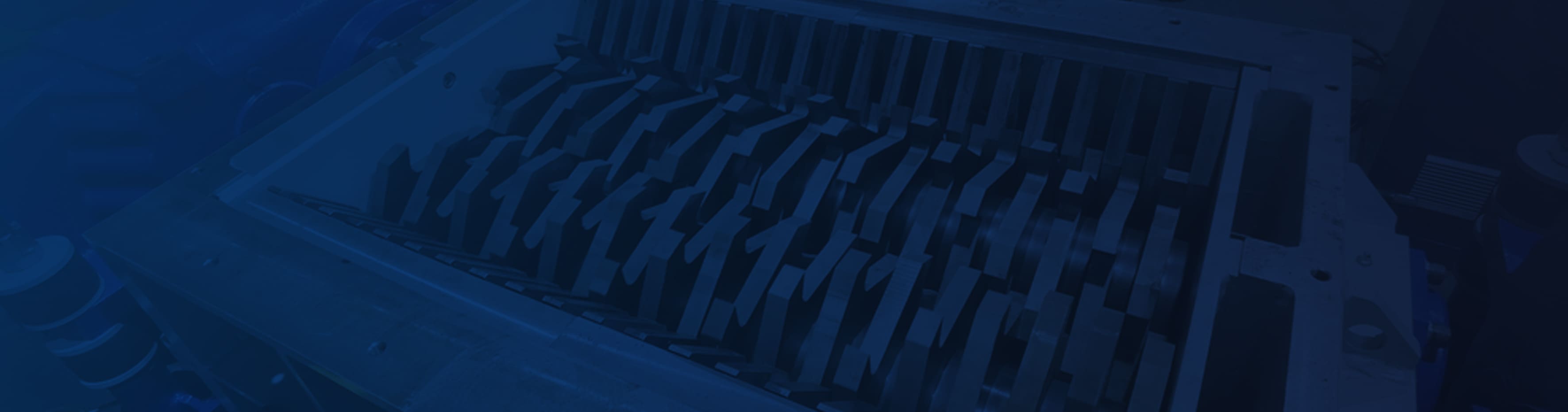
Double-shaft shredders operate on low-speed, high-torque principles rather than high-speed cutting. Two counter-rotating shafts equipped with sharp, interlocking steel blades pull material into the cutting chamber and shear it apart.
This design brings two massive benefits for small businesses:
Durability: Because it relies on torque rather than speed, it can easily crush tough or thick materials without jamming instantly.
Low Noise and Dust: Unlike high-speed granulators, low-speed shredders operate quietly and produce minimal airborne dust, making them ideal for urban workshops or locations with strict noise regulations.
4. Turning Waste into Revenue Streams
How does a small shredder translate to a profitable business model? Here are three common business models you can launch:
The Upcycling & Maker Model: Shred plastic waste (like bottle caps or packaging) into flakes, then use an injection molding machine or 3D printer extruder to turn them into new consumer goods, plant pots, or artistic products.
The Prep-for-Sale Model: Scrap collectors often get paid very little for bulky materials. By shredding plastics, e-waste, or cardboard into uniform, dense fragments, you significantly increase their value per kilogram when selling to larger recycling plants.
Confidential Destruction Service: Small local businesses, law firms, and medical clinics pay a premium for secure on-site destruction of sensitive documents or obsolete hard drives. A small shredder allows you to offer a certified destruction service.
Tips for Success When Buying Your First Shredder
If you are ready to make the investment, keep these quick tips in mind:
Choose the Right Blade Configuration: Different materials require different hook designs and blade thicknesses. Consult with your manufacturer about your primary target material.
Prioritize Build Quality: Look for hardened alloy steel blades and a reliable gearbox. A dependable machine prevents costly downtime in the early stages of your business.
Safety First: Ensure the machine comes equipped with emergency stop buttons, overload auto-reversal, and safety guards.
EN SAVOIR PLUS






 Réseau IPv6 pris en charge