Nov 10, 2026
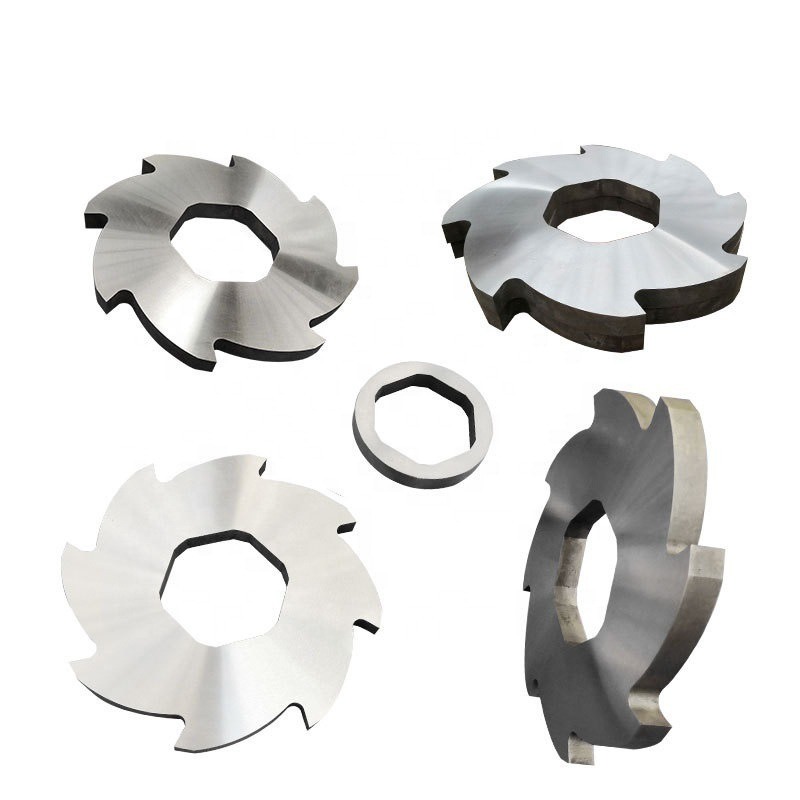
Shredder blades are critical wear components of shredding equipment. Their service life directly affects production efficiency and operating costs. Many companies encounter problems such as chipped teeth, excessive wear, and blade cracking during operation. In most cases, these issues are related to improper material selection, incorrect blade clearance, and inadequate routine maintenance.
1. The 3 Most Common Causes of Shredder Blade Damage
Incorrect Material Selection: Different materials require different levels of blade hardness and toughness. Blades that are too hard may chip when processing soft materials, while blades that are too soft will wear quickly when processing hard materials. Blade materials should always be selected according to the properties of the material being processed.
Improper Blade Clearance Adjustment: If the clearance between cutting edges is too small, excessive friction and heat can occur during operation, resulting in blade overheating, edge damage, and chipped teeth. If the clearance is too large, shredding performance may decrease and blade wear may increase.
Metal Contamination: Hard foreign objects such as steel bars and metal blocks entering the shredding chamber can easily cause blade chipping. In severe cases, they may even crack the blade discs, leading to costly repairs.
2. How to Properly Maintain Shredder Blades
Proper maintenance is essential to extending blade service life by 2–3 times. First, dull blades should be sharpened promptly to prevent excessive material tearing and equipment overload. Second, always maintain the original cutting-edge angle during sharpening. Excessive grinding or reducing blade thickness unnecessarily can make the edges more vulnerable to chipping.
In addition, regularly inspect the blade disc mounting bolts to ensure they remain tight. Loose bolts can cause blade displacement, unwanted friction, and damage to the shredding chamber.
When processing materials with high sand content or moisture levels, inspect the wear-resistant layers weekly and perform hardfacing repairs when necessary. After shutting down the machine, promptly remove fibers and debris wrapped around the blades to prevent localized friction and overheating, which can reduce blade hardness.
To achieve longer shredder blade service life, choosing the right blade material is only the first step. Proper blade clearance adjustment, regular inspections, and routine maintenance are equally important. Standardized operation and timely maintenance can reduce abnormal wear, minimize equipment downtime and repair costs, and improve overall production efficiency.
EN SAVOIR PLUS






 Réseau IPv6 pris en charge