laisser un message
Si vous êtes intéressé par nos produits et souhaitez en savoir plus, veuillez laisser un message ici, nous vous répondrons dès que possible.
Dans le contexte de la promotion mondiale d'une économie circulaire verte, le recyclage et la réutilisation du plastique constituent un secteur en pleine expansion, conciliant protection de l'environnement et valeur commerciale. Au sein de cette chaîne industrielle, les broyeurs de plastique jouent un rôle crucial.
I. Broyeurs de plastique : première étape vers la régénération du plastique
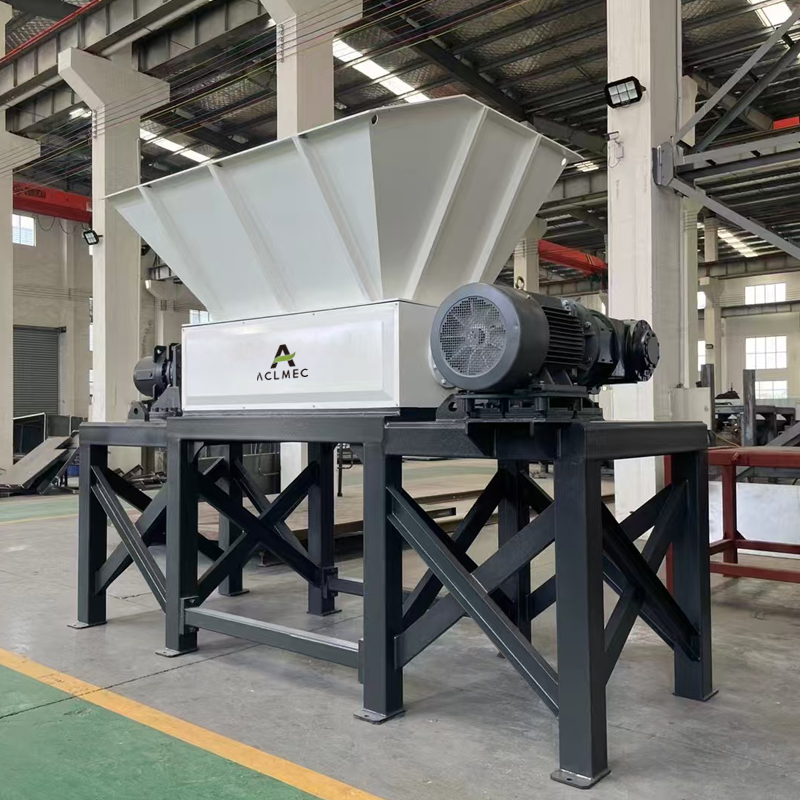
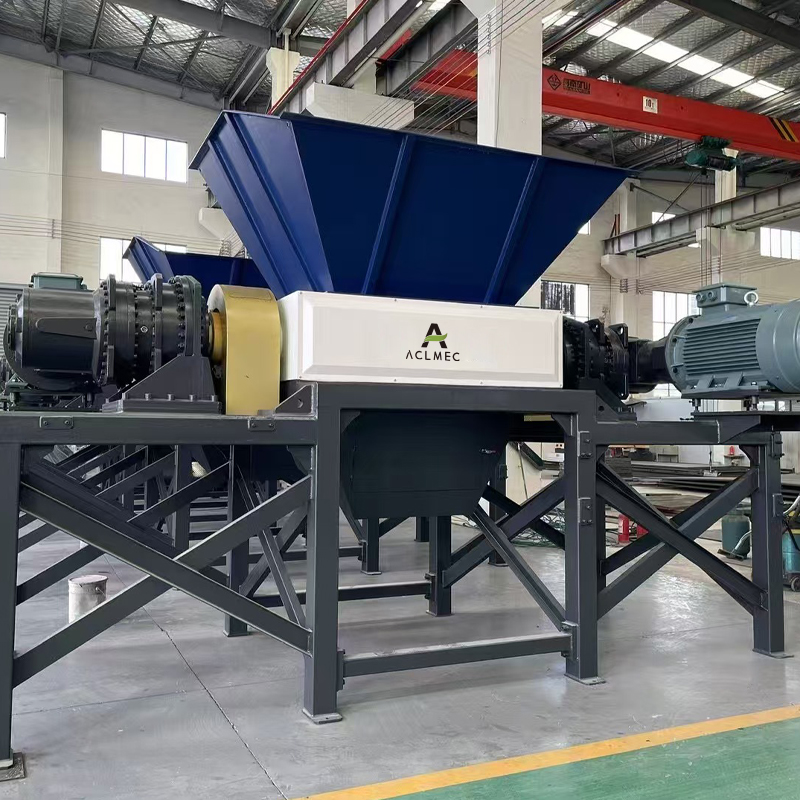
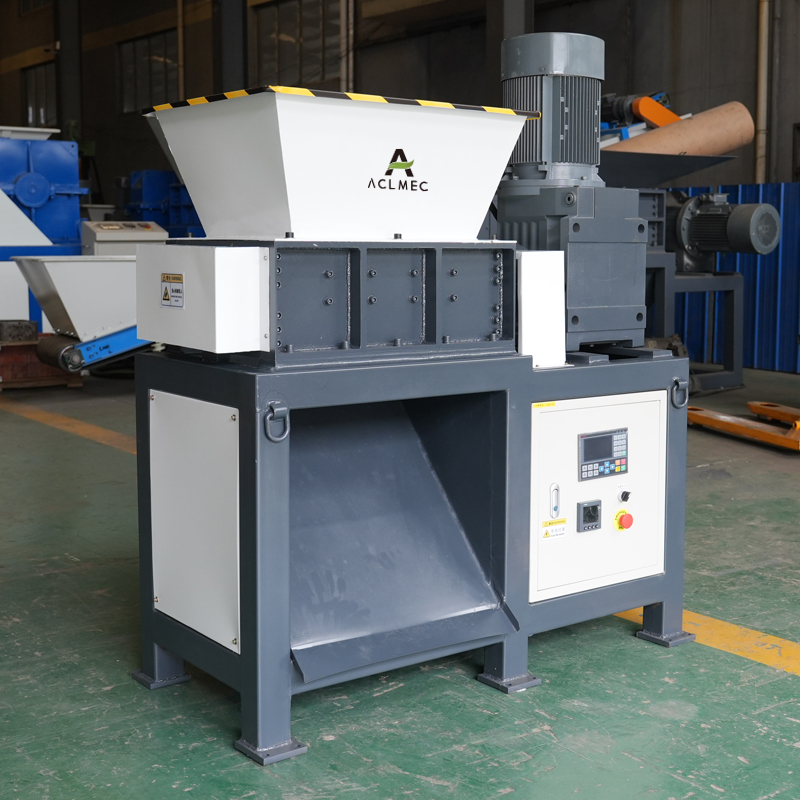
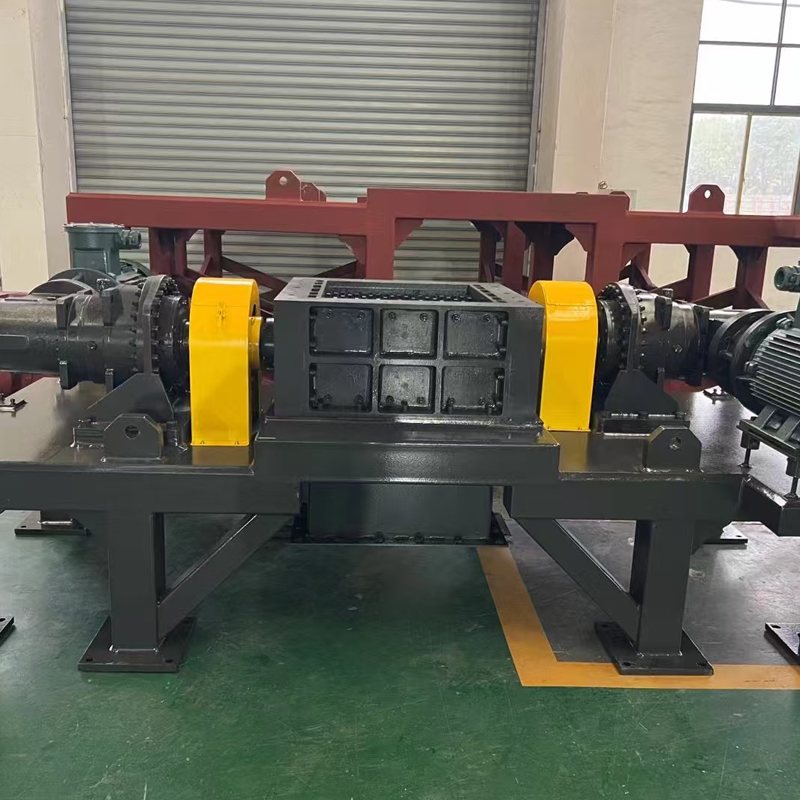
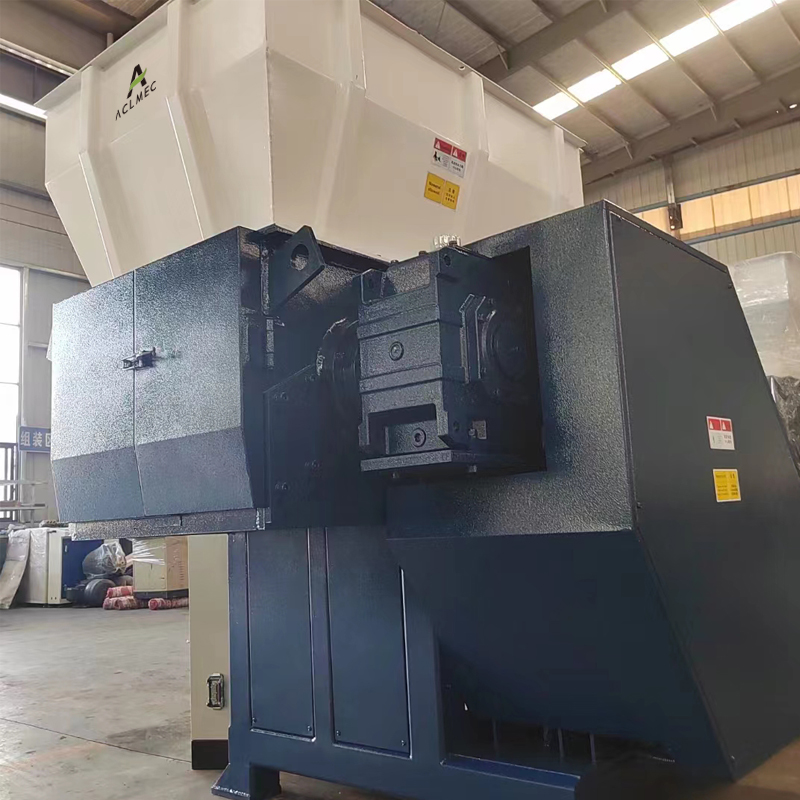
A broyeur de plastique Il s'agit d'un équipement mécanique conçu spécifiquement pour le recyclage et la réutilisation du plastique. Il est principalement utilisé pour broyer divers produits plastiques — tels que des profilés, des tuyaux, des films et des déchets de caoutchouc — en granulés en vue de leur refonte et de leur traitement ultérieurs.
Sa structure de base est précise mais robuste, et comprend principalement :
Chambre d'alimentation et de broyage : Introduit en toute sécurité les déchets et abrite un espace de coupe à haute résistance.
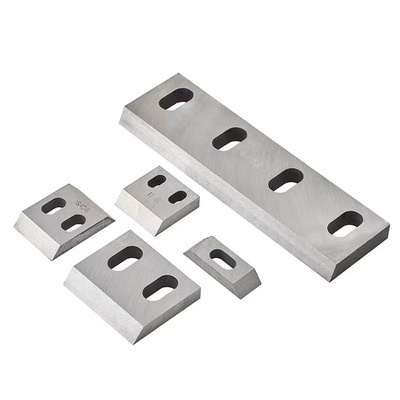
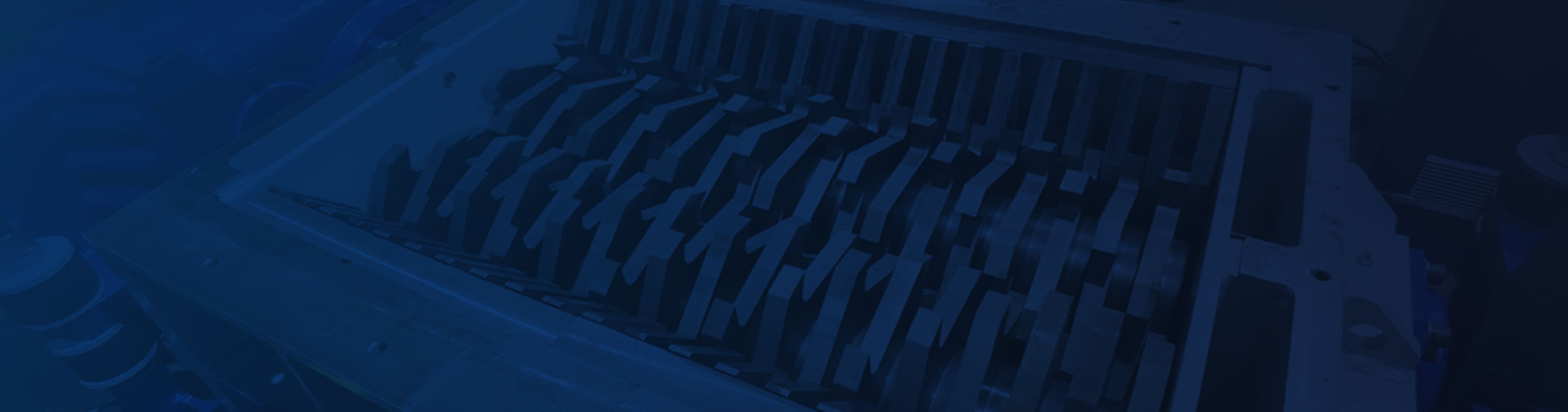
Ensemble de lames et tamis : Utilise des lames rotatives à grande vitesse pour cisailler, impacter et déchirer les plastiques, filtrant finalement les granules qui répondent à des exigences spécifiques de taille de particules à travers un tamis.
Système moteur et transmission : Fournit une source de force motrice stable et puissante.
On peut affirmer qu'un broyeur de haute qualité associé à des lames résistantes à l'usure constitue la première étape cruciale pour garantir un rendement uniforme et réduire la consommation d'énergie.
II. Choisir le bon équipement et assurer une adéquation complète de la ligne de production : le fondement de la rentabilité des entreprises de recyclage du plastique
Dans le secteur du recyclage et de la transformation des plastiques, le choix du bon équipement est essentiel à la réussite de l'entreprise. Une ligne de broyage stable et efficace influe directement sur la capacité de production, les coûts d'exploitation et, en fin de compte, la rentabilité.
Nombreux sont les clients qui ont découvert ACLMEC grâce à ses broyeurs de plastique réputés, qui ont su gagner la confiance du marché grâce à leur efficacité de coupe exceptionnelle et leur durabilité constante. Cependant, en approfondissant leur connaissance d'ACLMEC, ils constatent que l'offre ne se limite pas à une simple machine ; la véritable valeur réside dans la synergie et l'intégration de l'ensemble de la ligne de production.
III. Du broyage sur une seule machine à la synergie sur toute la ligne : construire une ligne de recyclage intégrée
Dans le processus de recyclage des déchets plastiques, le broyage n'est qu'un maillon de la chaîne, qui nécessite généralement des étapes complémentaires telles que le lavage, la déshydratation, le transport et la granulation pour mener à bien la conversion complexe des déchets solides.
Prenons l’exemple du traitement des films agricoles ou des sacs tissés contaminés : une ligne de production complète ne fonctionne jamais de manière isolée ; elle nécessite plutôt de passer par les étapes de collaboration rigoureuses suivantes :
Pré-broyage et concassage : désintégration d’objets volumineux et enchevêtrés ou de déchets lourds en petits morceaux uniformes à l’aide d’un broyeur.
Lavage et friction intensifs : élimination de la saleté, de l’huile et autres impuretés adhérant aux surfaces plastiques.
Déshydratation et séchage efficaces : résoudre le problème de l’humidité excessive dans les matériaux humides afin de garantir la qualité des traitements ultérieurs.
Granulation et extrusion stables : refusion de fragments propres et secs pour les transformer en granulés recyclés de haute qualité.
Forte d'une expertise sectorielle approfondie acquise au fil des années, ACLMEC est en mesure de concevoir des solutions automatisées complètes, du broyage en amont à la granulation en aval, adaptées aux caractéristiques spécifiques des matériaux de ses clients (plastiques rigides ou films souples, par exemple). Cette approche permet non seulement de réduire considérablement les pertes de compatibilité entre les équipements, mais aussi de diminuer efficacement les coûts de main-d'œuvre, aidant ainsi les entreprises à optimiser leurs coûts, à améliorer leur efficacité et à atteindre une rentabilité durable dans un contexte de forte concurrence.





 Réseau IPv6 pris en charge
laisser un message
Numériser vers Wechat :

Numériser vers WhatsApp :