laisser un message
Si vous êtes intéressé par nos produits et souhaitez en savoir plus, veuillez laisser un message ici, nous vous répondrons dès que possible.
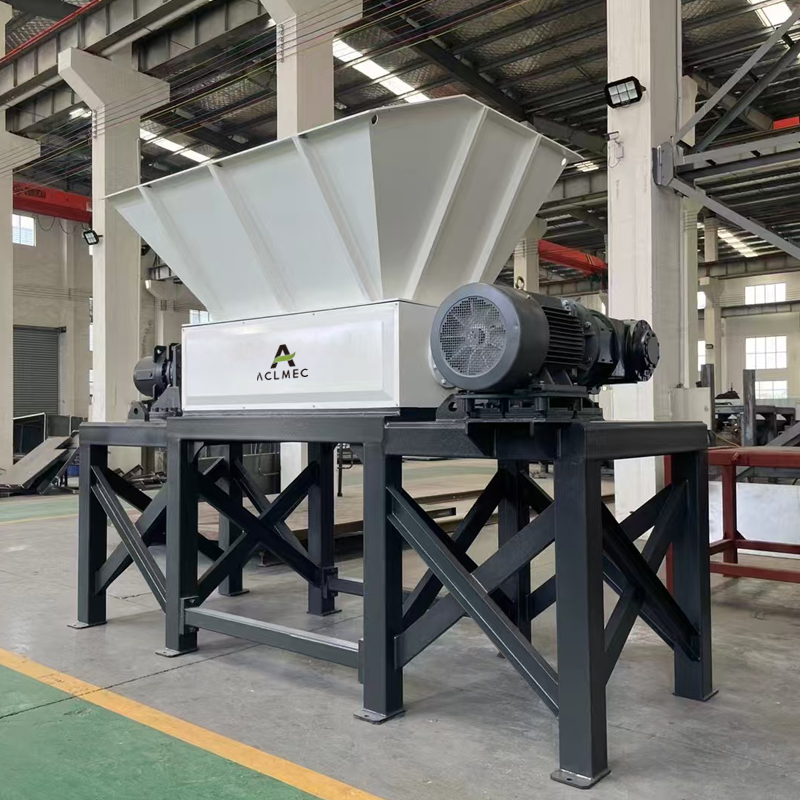
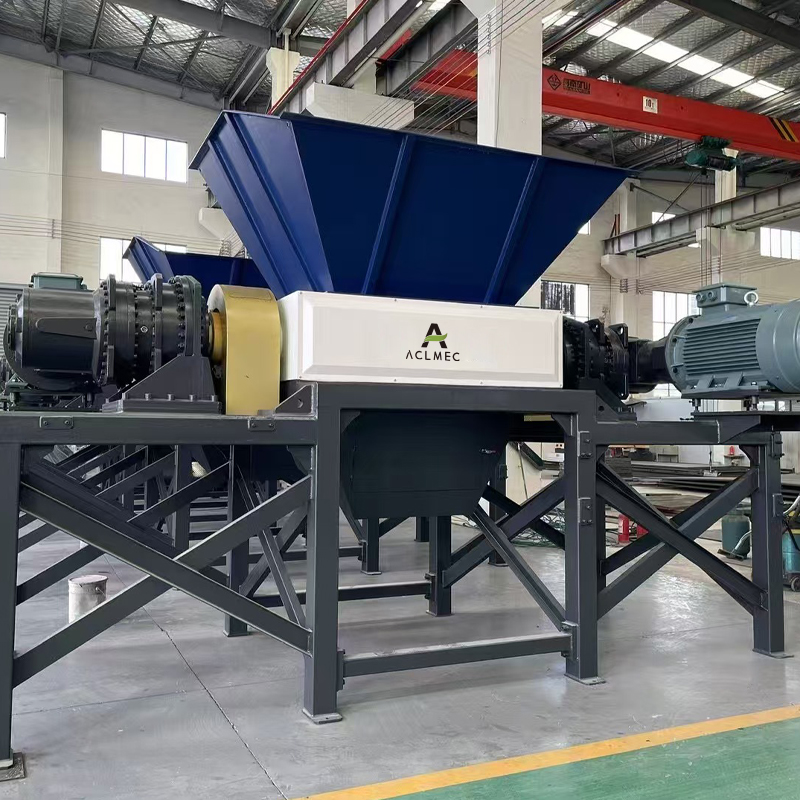
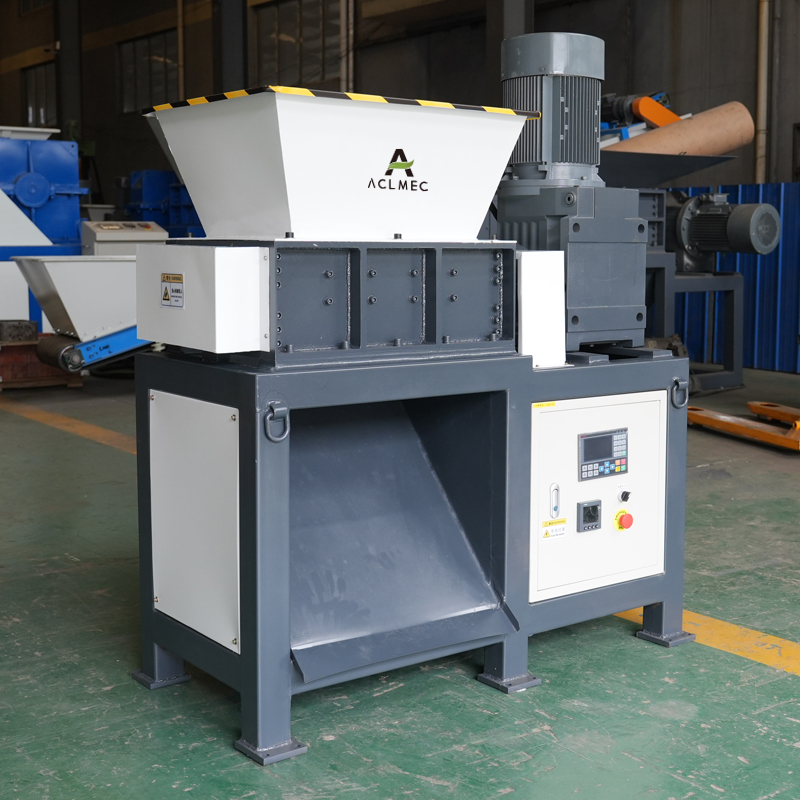
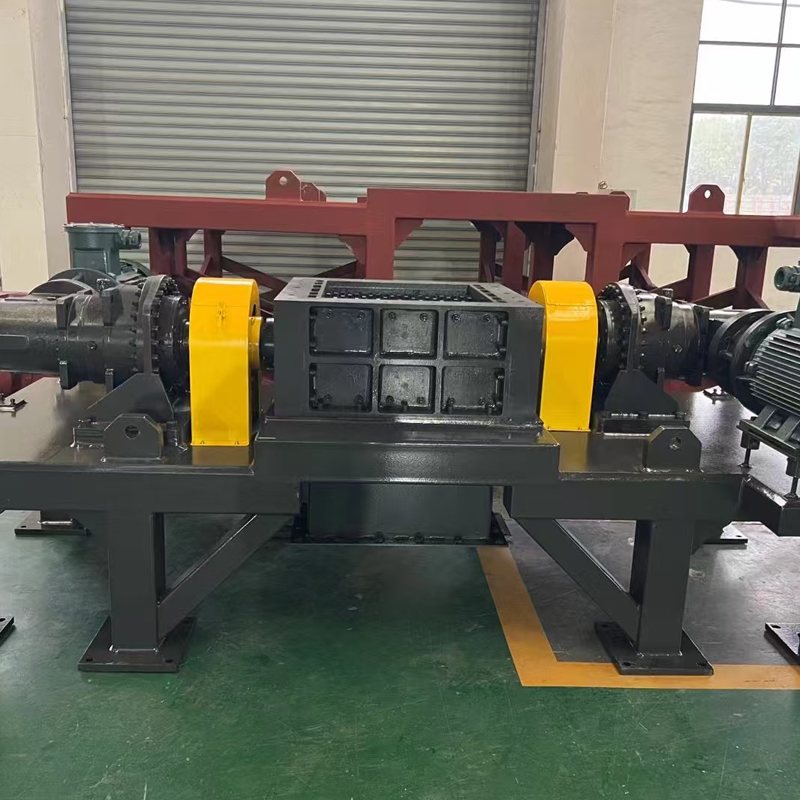
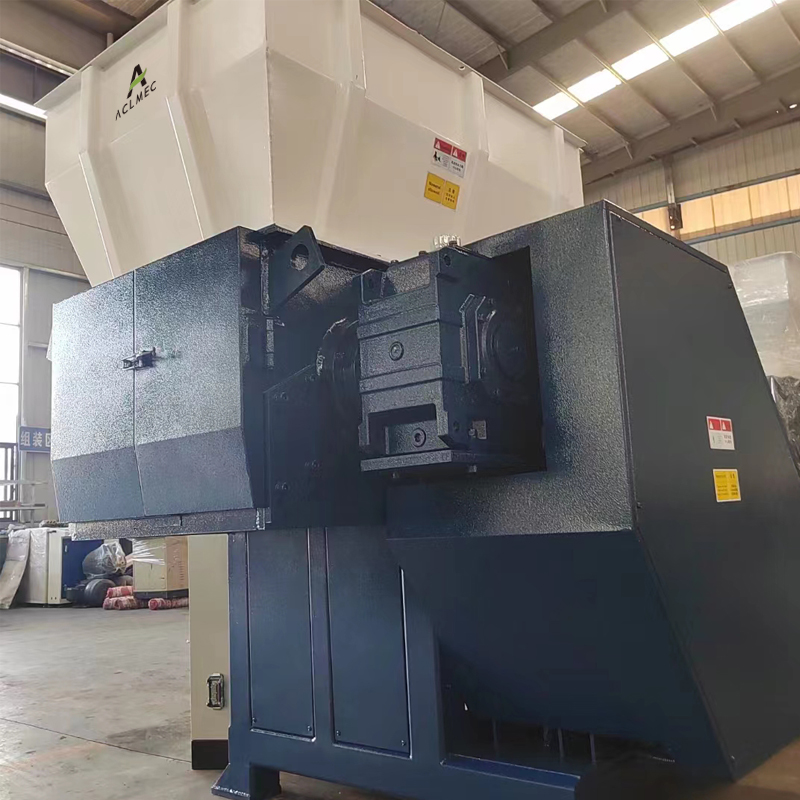
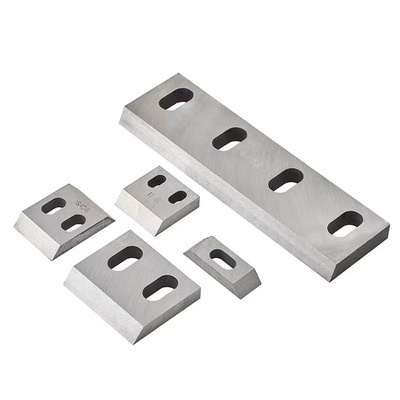
En tant qu'équipements de prétraitement essentiels dans la gestion moderne des déchets solides et le recyclage des ressources, les broyeurs industriels sont principalement conçus pour le concassage grossier et moyen des déchets solides volumineux, réduisant généralement la taille des matériaux à 20-150 mm. Ces machines sont généralement alimentées par des systèmes hydrauliques ou électriques, utilisant des rotors et des lames spécialisées pour obtenir la réduction de taille par cisaillement, déchirure et extrusion. Comparés aux concasseurs traditionnels à grande vitesse, les broyeurs présentent des avantages significatifs — notamment une faible vitesse de rotation, un couple élevé, un faible niveau sonore, une usure minimale des lames et des coûts d'exploitation réduits — ce qui en fait le choix privilégié pour les industries de réduction des volumes et de valorisation des matériaux.
I. Classifications structurelles fondamentales et principes de fonctionnement
Selon le nombre d'arbres de rotor et la conception physique de la chambre de coupe, les broyeurs industriels se divisent principalement en trois catégories : à un arbre, à deux arbres et à quatre arbres. Chaque type possède des principes de fonctionnement et des applications cibles distincts.
Positionnement de l'équipement : Broyeur à usage général pour le broyage grossier/moyen, idéal pour les matériaux épais et lourds à haute résistance à l'arrachement. Principe de fonctionnement : Le système de coupe principal se compose d'un arbre rotatif équipé de lames dynamiques (rotors) et de lames fixes (stators) montées sur le carter. Pendant le fonctionnement, les matériaux pénètrent dans la trémie et sont continuellement poussés contre le rotor par un vérin hydraulique. Les matériaux sont initialement broyés par cisaillement et coupe dans le faible jeu entre les lames mobiles et fixes. Ensuite, les particules broyées tombent par gravité sur un tamis de calibrage situé au fond. Les particules plus petites que les mailles du tamis sont évacuées, tandis que les plus grosses sont ramenées par le rotor dans la zone de coupe pour des cycles de broyage secondaires ou multiples jusqu'à l'obtention de la granulométrie souhaitée. Caractéristiques techniques : Le rotor est généralement usiné avec précision à partir d'alliages à haute résistance à l'usure et présente un profil lisse et profilé. Cette conception dissipe efficacement la chaleur générée par le frottement, évitant ainsi toute surchauffe locale lors du traitement de matériaux susceptibles de fondre, tels que les plastiques. Matériaux applicables : plastiques à parois épaisses, canaux de moulage par injection, films rigides, palettes en bois, rouleaux de papier, verre épais et tuyaux.
Positionnement de l'équipement : Broyeur grossier à cisaillement, optimisé pour les matériaux résistants, élastiques et à parois fines. Principe de fonctionnement : La chambre de coupe abrite deux arbres principaux parallèles équipés de lames dentelées en forme de disque. Lorsque les matériaux pénètrent dans la trémie, les deux arbres tournent en sens inverse. Les disques dentelés spécialisés agissent comme des mâchoires mécaniques, saisissant, déchirant et entraînant les matériaux vers le bas. Les matériaux sont cisaillés et déchirés avec force aux proportions requises entre les bords opposés des lames, puis évacués directement par le bas (certains modèles peuvent être équipés d'un tamis de séparation). Des racleurs de nettoyage dédiés sont généralement montés sur les plaques latérales pour décoller les matériaux collés aux disques de coupe, évitant ainsi l'enchevêtrement et le blocage de l'équipement. Matériaux compatibles : Plastiques souples, pneus usagés, élastomères, produits en caoutchouc, films et contenants légers en métal/plastique.
3. Broyeurs à quatre arbres
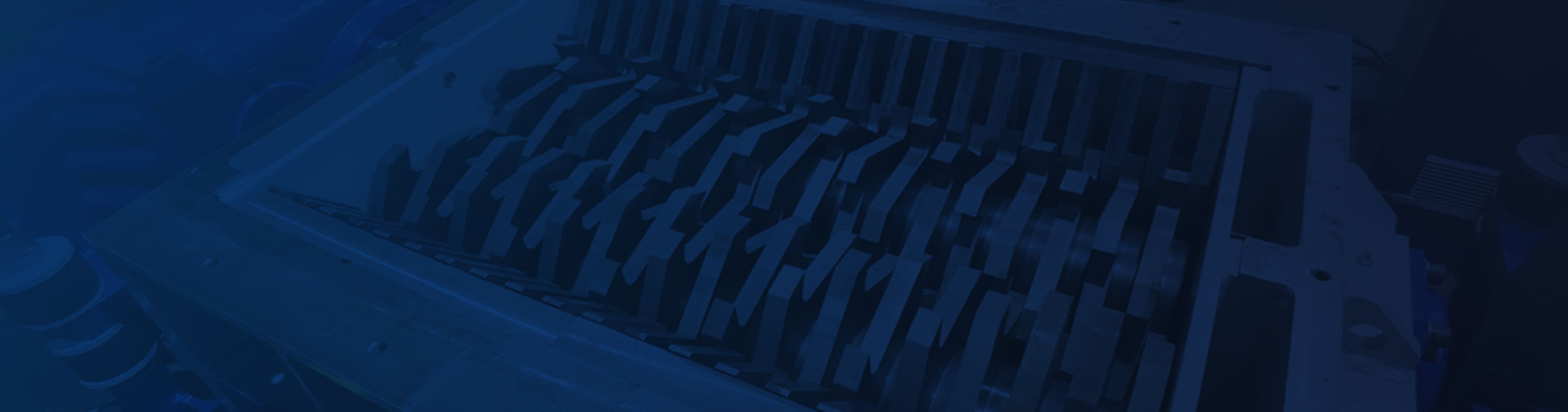
Positionnement de l'équipement : Broyeur multi-arbres robuste, spécialisé dans le traitement de matériaux volumineux, creux et complexes. Principe de fonctionnement : La chambre de coupe d'un broyeur à quatre arbres comprend quatre arbres de travail : les deux arbres auxiliaires supérieurs assurent l'alimentation et le pressage, tandis que les deux arbres principaux inférieurs effectuent le cisaillement et le broyage. Cette conception unique crée un espace de préhension en forme de « cône inversé » au sein de la chambre de coupe. Lors du traitement de matériaux volumineux présentant de grandes cavités internes ou de matériaux très élastiques, les arbres supérieurs empêchent efficacement les matériaux de rebondir au-dessus des lames, les forçant à pénétrer dans la zone de cisaillement inférieure. Ceci améliore considérablement l'efficacité du broyage et garantit une granulométrie uniforme. Matériaux compatibles : Rejets de l'industrie des polymères, déchets ménagers, déchets encombrants, fûts/boîtes métalliques, déchets d'emballage et déchets d'asphalte.
II. Sélection professionnelle basée sur des scénarios d'application
Dans la production industrielle réelle, les broyeurs sont souvent spécialement conçus et optimisés en fonction des propriétés physiques des matériaux traités :
1. Broyeurs de déchets solides et de déchets de construction : Nécessitant un couple et une robustesse structurelle extrêmement élevés, ces broyeurs sont principalement utilisés pour le broyage grossier à grande échelle de déchets de construction, de terre et de déchets de bois mélangés. Leurs systèmes de lames présentent une résistance aux chocs exceptionnelle, permettant l’incorporation de jusqu’à 20 % de métal dans les matériaux. Ce sont des machines essentielles pour le prétraitement des déchets en décharge et les projets de réduction de volume importants.
2. Broyeurs de bois spécialisés : Conçus pour les fibres de bois telles que les planches, les racines et les chutes, ils peuvent broyer efficacement de gros morceaux de bois en copeaux ou en sciure de moins de 15 mm, avec une capacité dépassant facilement 100 kg/heure. Ils sont largement utilisés dans les secteurs de la production d’énergie à partir de biomasse et de la transformation du bois.
3. Broyeurs/granulateurs de plastique dédiés : Le recyclage du plastique utilise généralement un procédé de réduction de taille en deux étapes (broyage grossier à basse vitesse suivi d’une granulation fine à haute vitesse). Les lames des broyeurs de plastique dédiés sont très résistantes à l’usure et permettent de traiter efficacement les bouteilles en PET, les rebuts de moulage par injection, les carottes et les films.
4. Broyeurs polyvalents/universels : Grâce à leur grande compatibilité avec différents matériaux, ils peuvent traiter aussi bien les résidus de travail du bois que les déchets industriels mixtes. Ils constituent la solution idéale pour les centres de gestion des déchets complexes et variés.
III. Résumé des domaines d'application typiques
L'utilisation des broyeurs industriels modernes s'est largement répandue à toutes les étapes de la valorisation des ressources, notamment :
1. Déchets municipaux et résidentiels : déchets encombrants (meubles, matelas), déchets solides municipaux et cordes de pulpeur de papeterie (fils de ragger).
2. Déchets industriels et dangereux : déchets industriels dangereux, conteneurs/fûts IBC de produits chimiques, chutes de cuir et de tissu.
3. Déchets métalliques et électroniques : Déchets d'équipements électriques et électroniques et déchets de métaux légers (canettes en aluminium, tuiles en acier coloré). Polymères et matières organiques : Pneus usagés, divers déchets de caoutchouc et de plastique, et résidus de biomasse.
4. Conclusion et recommandations : Pour le traitement des déchets solides de formes, de matériaux et de duretés variés, le choix du système d’entraînement, du profil des dents de la lame et de la configuration de l’arbre est crucial pour garantir le bon fonctionnement de la ligne de production. Lors de la planification de projets environnementaux de grande envergure, il est fortement recommandé de consulter des équipes techniques spécialisées ou des fournisseurs d’équipements environnementaux intelligents. Ces derniers peuvent proposer des modèles d’équipements sur mesure et des solutions complètes pour les lignes de production, adaptées aux caractéristiques des matériaux, aux besoins en capacité et aux normes de production finales.





 Réseau IPv6 pris en charge
laisser un message
Numériser vers Wechat :

Numériser vers WhatsApp :